
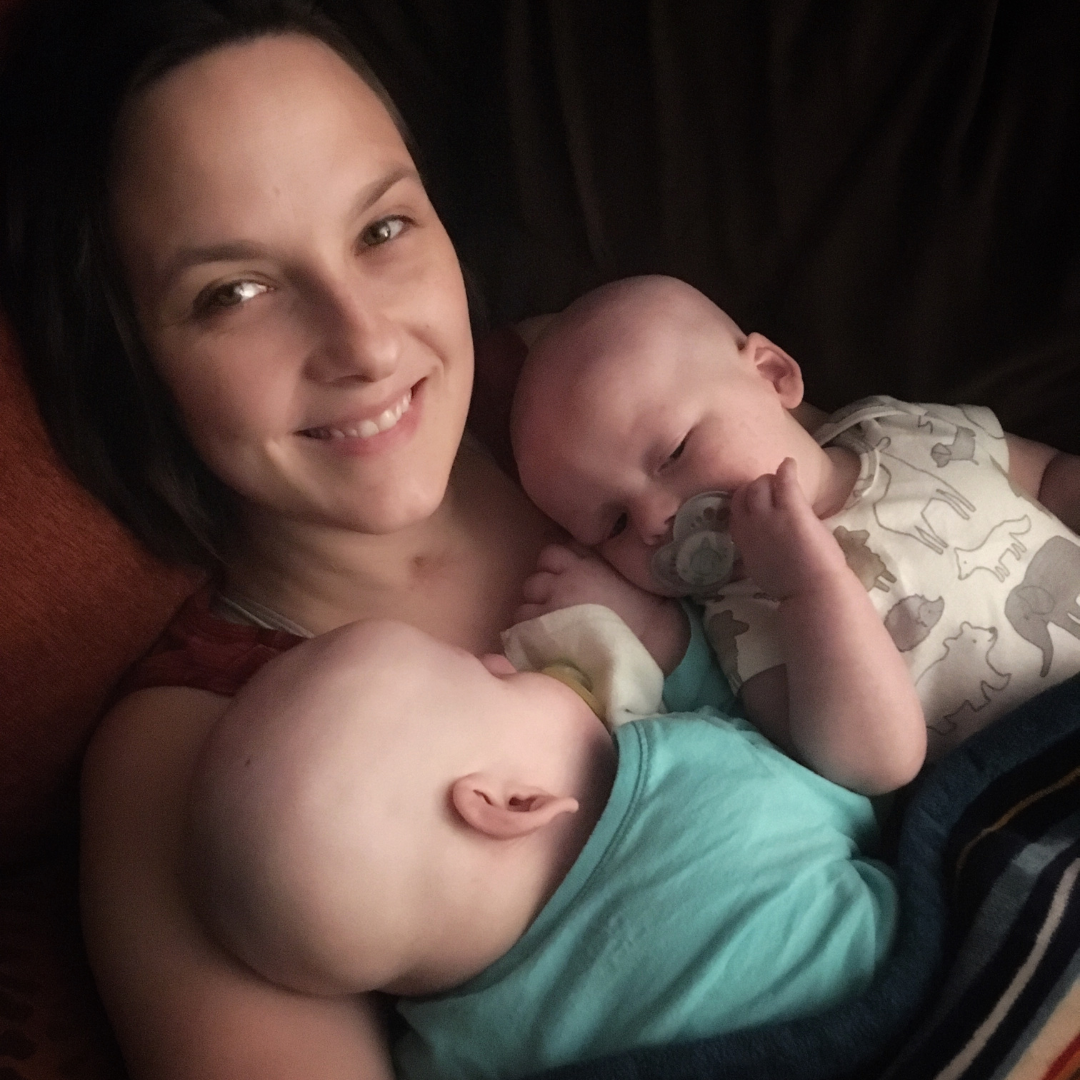
I’m Erica Stearns, and my journey into parenthood started like many others, filled with dreams of picture-perfect moments and plans for the future. In a colorful room, waiting to embrace the beautiful chaos of motherhood, the sound of a sweet lullaby began playing, signaling the birth of our daughter.
My husband and I had spent the entire pregnancy imagining this perfect moment, but reality took an unexpected turn.
As the lullaby played on, my heart sank as I listened for the cries of my newborn child. Instead of the joyous tears I had anticipated, fear overcame me, and the room transformed into a sterile and cold environment. My baby was taken from me and quickly surrounded by a flurry of medical staff. I felt completely helpless.
Time stood still and raced by, and I was frozen in a moment that should have been filled with happiness but instead, I was consumed by fear. When my daughter was finally placed in my arms, the lullaby that had played on for others felt distant and irrelevant. I couldn’t help but notice something was wrong. Her silence, limpness, tiny head, and unexplained jerking movements all raised concerns.
Instead of bonding, I was consumed by questions and worry.
As the hours passed, that lullaby thundered down the hallways, as if just to mock me. Meanwhile, I lay in a dark room, trembling from both the trauma of birth and the separation from my struggling newborn. The days that followed were a painful journey through sterile hallways, passing rooms filled with the sounds of newborns crying, flowers, balloons, and proud parents leaving with their bundles of joy.
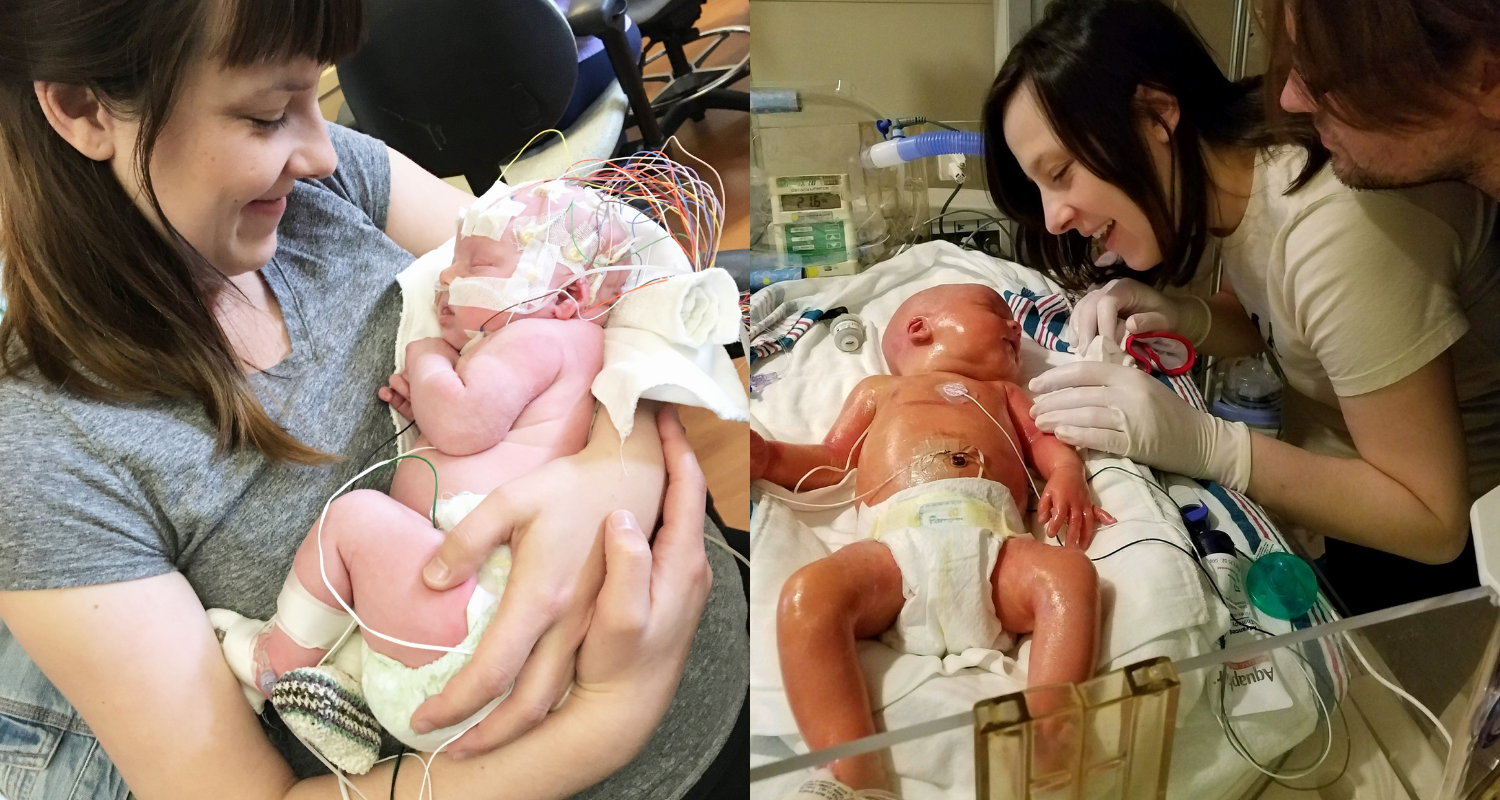
I felt like an outsider, unable to experience the “textbook” parenthood I had expected.
Even though the medical professionals referred to me as “mama” and reassured me of my expertise on my child, I was overwhelmed by a creeping uncertainty, a gnawing doubt that I might never get to bring our child home with us.
The lullaby was replaced with the sounds of beeping machines, alarming monitors, and hordes of people crowding in to observe my child with a puzzling medical condition. I had to quickly learn how to advocate, voice my concerns, point out discrepancies, read monitors, interpret lab results, determine seizures from dystonia, listen for problematic lung sounds, and be mindful of all possible medication interactions.
My journey was that of a medically complex caregiver, an advocate, a defender, a protector, and above all else, a very tired mother.
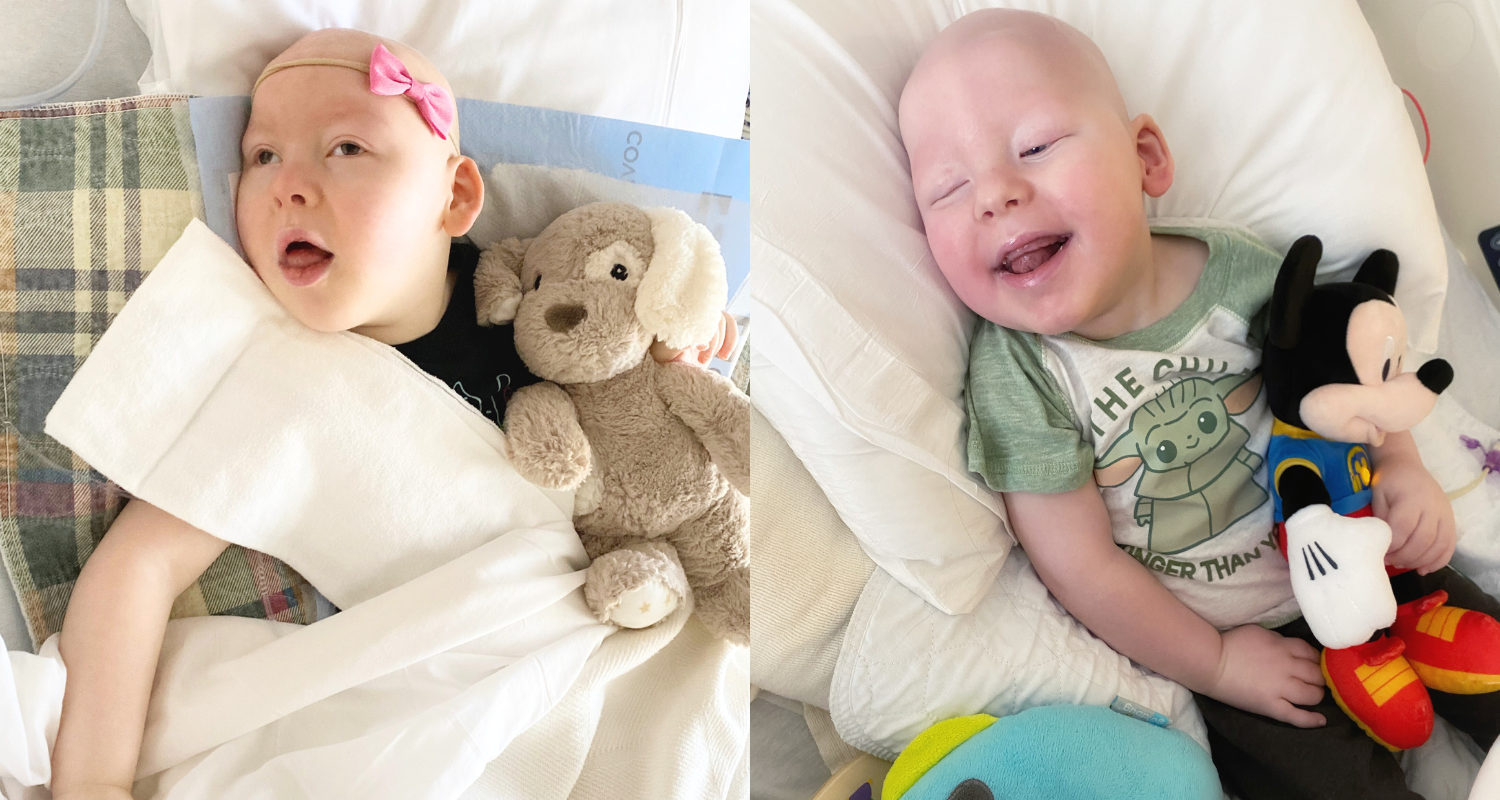
Becoming a caregiver to not one, but eventually two children with a rare and medically complex disease, meant that I had to quickly learn to navigate the overwhelming world of medicine, genetic research, advocacy, and all the acronyms that come with this lifestyle.
I became an honorary nurse, doctor, and expert on my children’s ultra-rare disease, all while trying to figure out how to just be “mom.”
My entry into caregiving was far from graceful. My kindness and patience with the medical system sometimes led to delayed treatment and frustration. My respect for medical professionals turned into distrust as I watched my daughter suffer. I felt as though I had betrayed her for not advocating sooner, so I became fiercely defensive in my advocacy with professionals.
I immersed myself in research and data, documenting every detail of my daughter’s condition. I asked tough questions and showed no emotion when raising concerns. My walls were high, my armor was strong, and my words were sharp. The protector in me needed them to view me as unwavering and strong, but inside, I was exhausted and losing myself.
Eventually, at a different hospital, surrounded by caring and dedicated professionals who worked with hundreds of medically complex children like our own, I realized I didn’t have to do it all alone. I learned to lower my defenses and trust in the power of family partnership.
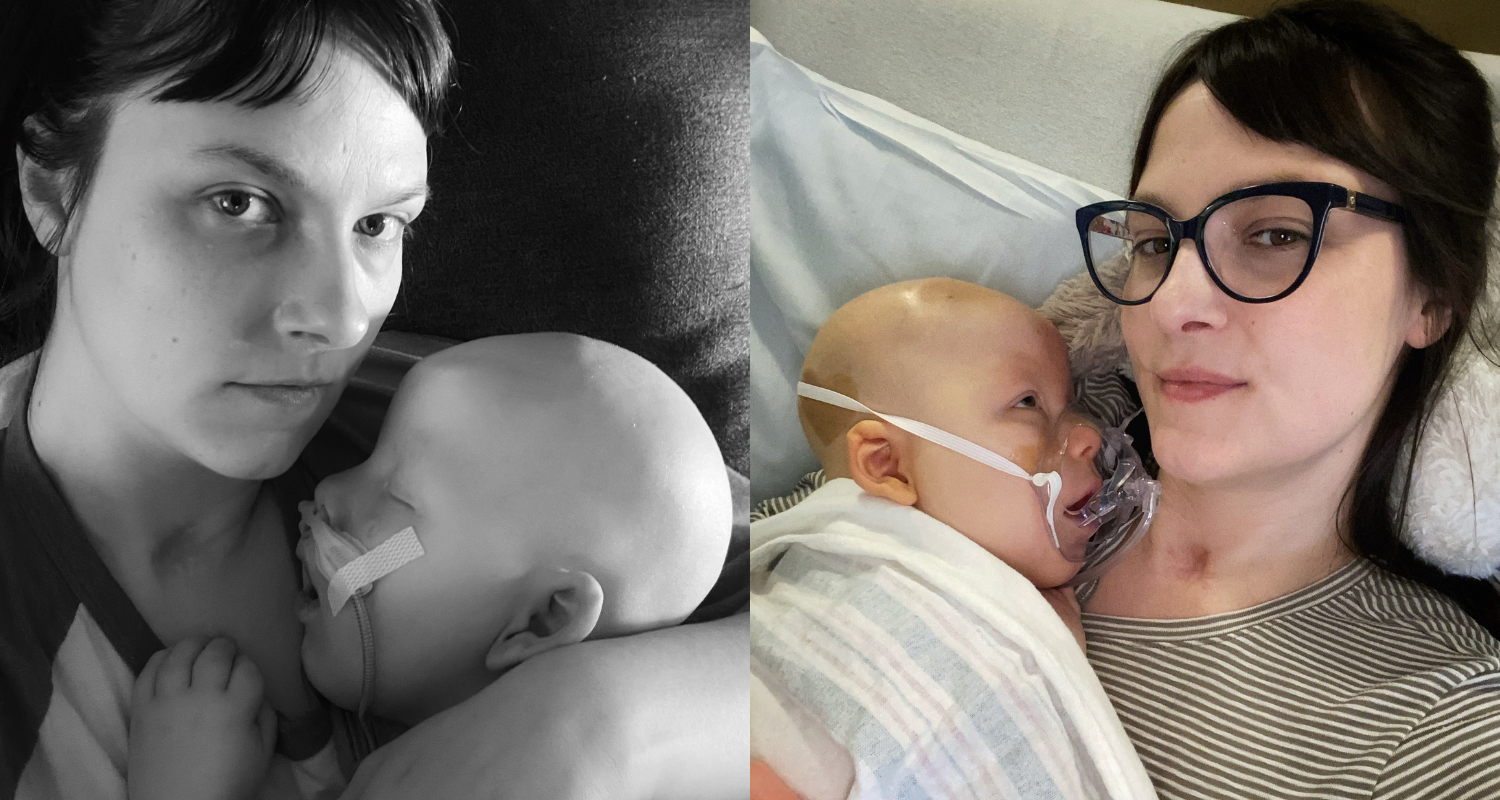
Advocacy can be a bridge, not just a battleground.
I used to think of advocacy as a fight, a battleground where I had to be on guard and ready to defend my child’s life at all costs. It felt like we were standing on opposite sides of the professionals and just bracing for impact.
But over time, that view began to shift. Advocacy didn’t stop being hard, but it started to feel less like a fight and more like a dance.
At first, it was clumsy and uncomfortable, like stepping onto a dance floor with a brand-new partner, unsure of the rhythm, stepping on each other’s toes, missing cues. I came in guarded, they came in clinical, and we struggled to find our footing.
But as the relationship grew, something changed. I began to listen more openly, and in turn, felt more heard. I started to recognize the expertise each person brought to the table, and they began to understand the expertise I carried as a parent. Slowly, we found a rhythm.
We weren’t opposing forces anymore. We were partners learning how to move together.
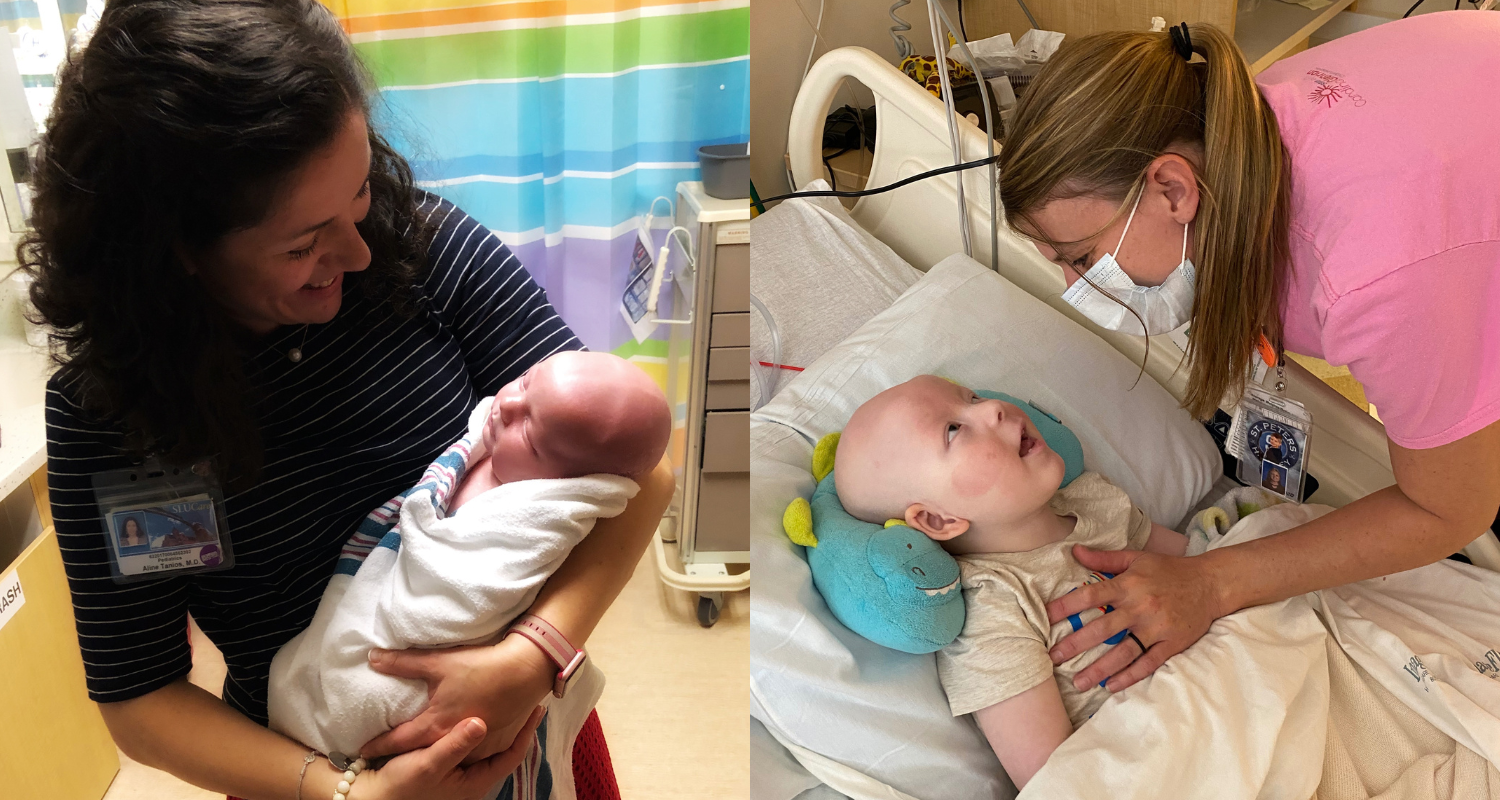
Instead of leading with defensiveness, I learned to communicate with intention. Instead of assuming a disconnect, I looked for alignment. We all wanted the same thing: the best possible life and care for my children. And when we centered that shared goal, the conversations became more productive, more respectful, and more human.
Advocacy became less about pushing against and more about moving with.
I also realized that advocacy isn’t just about what my child needs medically. Advocacy is also about what our family needs to live, to function, to thrive beyond the hospital walls. It’s about helping the care team understand not just the diagnosis, but the life wrapped around it.
And when there were gaps in understanding, I stopped seeing them as failures and started seeing them as invitations and opportunities to bridge the gap, to share our story, to teach, to connect, and to build something better together.
Advocacy is still an effort. It still takes strength. But now, it feels like a dance. A complicated dance, yes, but one where, with time and trust, we learn how to move in sync. I used to think of advocacy as a fight, like we were on opposite sides.
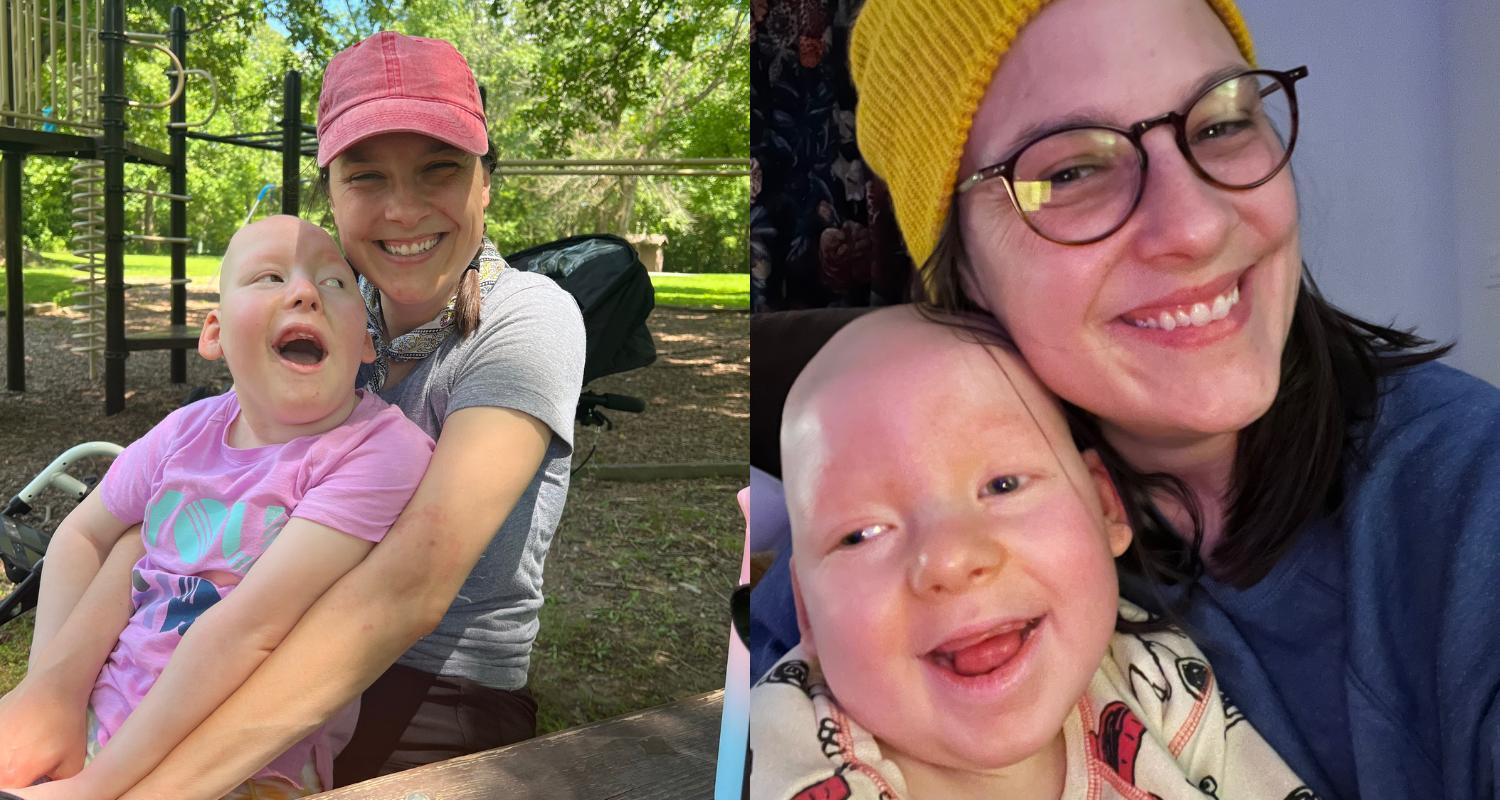
Understanding advocacy as a bridge changed everything.
It allowed me to ask for help. To accept support. To recognize that I was never meant to do this alone.
There were professionals, peer caregivers, and mental health providers ready to walk alongside me. This shift from a solitary battleground to a bridge-building mindset didn’t just improve care, it improved our quality of life and empowered me in the process.
Over time, I found a community of professionals who didn’t just treat my children; instead, they saw us, respected us, and partnered with us.
Caregiving became more than just managing needs. It became trust, partnership, and shared purpose. As I advocated for my children’s needs, I realized that healthcare professionals were not just providers of care but also partners in our journey. Building trust, fostering open communication, and working together became essential components of the caregiving process.
This shift helped heal the strain I once felt in medical relationships and replaced it with collaboration and mutual respect.
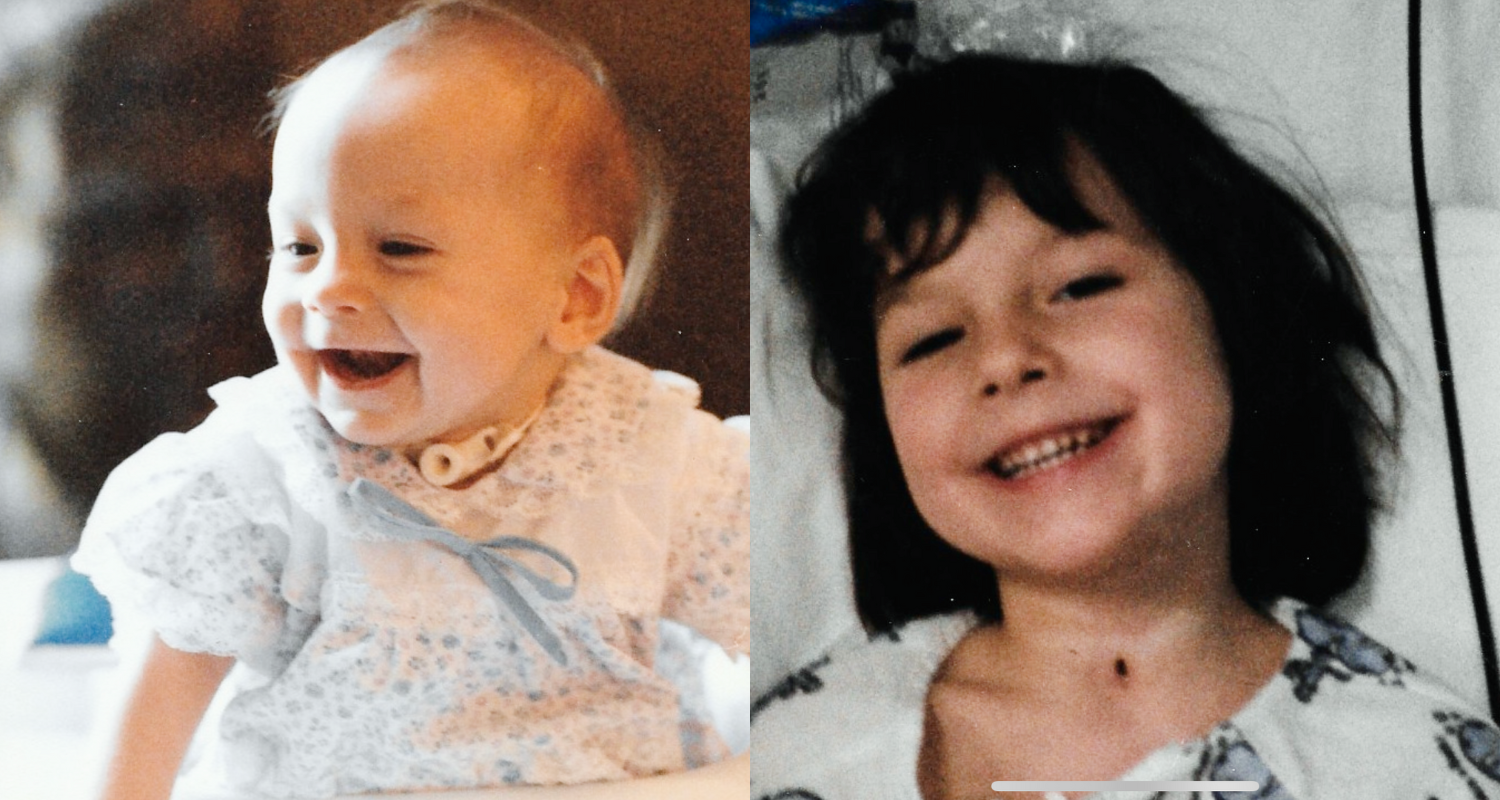
Becoming a caregiver also reshaped how I saw myself.
Before this journey, I had never fully embraced my own disabilities. In fact, I often minimized them. In truth, I spent most of my youth hiding, if not rejecting, the idea that my origin story started in similar circumstances as my children – unexpected diagnosis, rare congenital birth defects, and surrounded by hordes of medical professionals.
I grew up in a world that made me feel like an outsider, where disability was something either to hide or overcome, not something to understand or value. The lack of empowering disability representation and the nature of disability segregation meant that I grew up in a society and educational system where I was the strange kid with a horrible nickname, the target of bullies, and the victim of various abuses. These experiences left me dreaming of being anything but disabled.
When I realized my children would also grow up disabled, I was terrified they would experience the same pain.
But caregiving changed that. Through my children, I found something I never had growing up: community, representation, and pride. Learning from disability advocates and listening to disabled voices helped me see the beauty and diversity of our experiences.
What I once feared, I began to understand.
What I once rejected, I began to embrace.
And in advocating for my children, I began to recognize my own strengths. I learned to navigate complex systems, communicate with confidence, and make informed decisions.
More than anything, I realized that my lived experience wasn’t something to hide—it was something that gave me insight, perspective, and power.
I wasn’t just a mother. I was a caregiver with purpose.
Caregiving also changed how I saw those who once cared for me.
Being a caregiver allowed me to develop a deeper relationship with my mother and gave me a new understanding of the weight she carried. It softened old judgments and replaced them with compassion.
I began to see caregiving for what it truly is…complex, emotional, and often invisible.
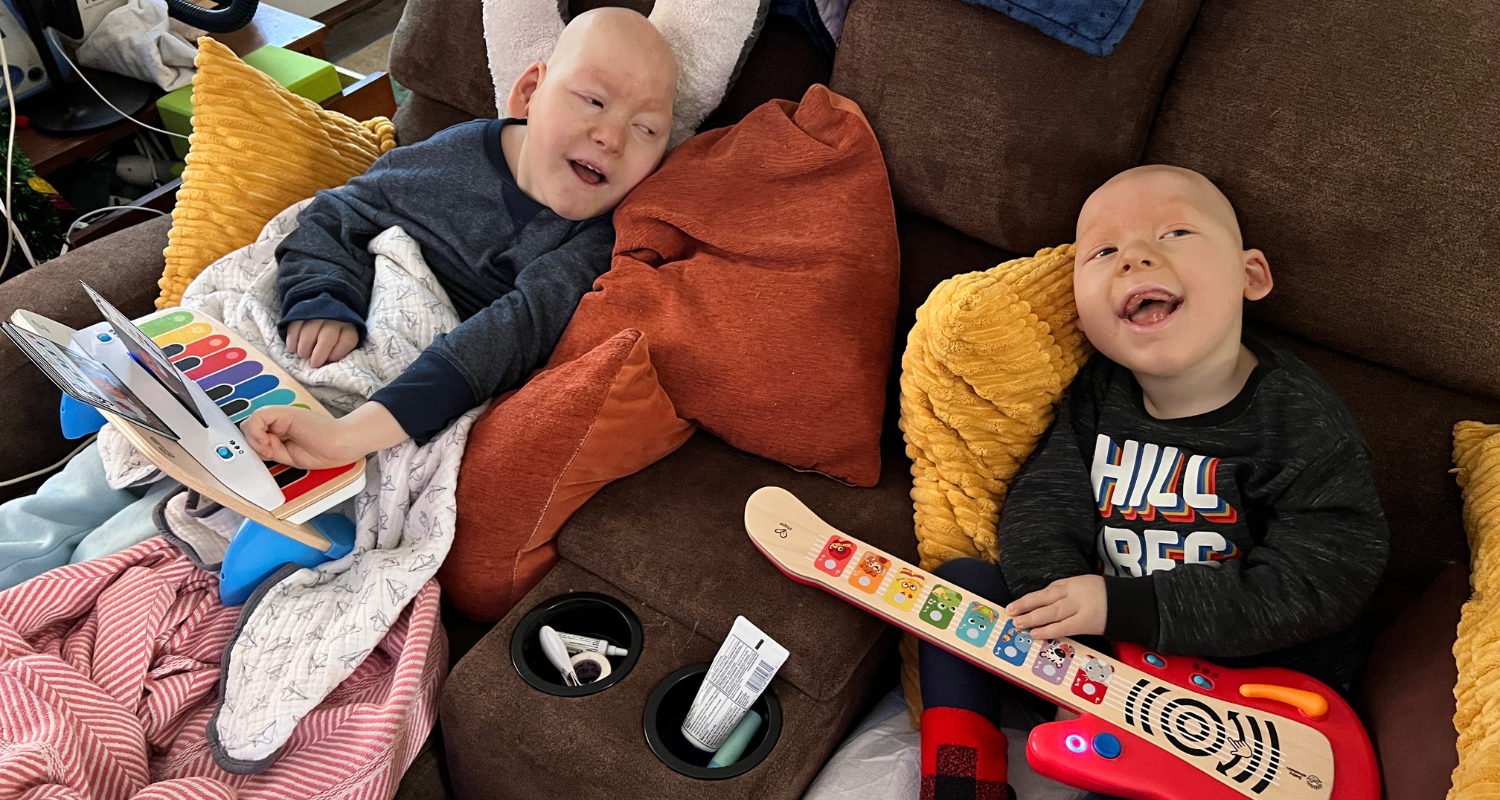
Amid uncertainty and challenge, becoming a caregiver to two children with rare diseases and medical complexity has transformed me in every way.
It gave me language for my role.
It gave me strength I didn’t know I had.
It helped me reclaim my identity as a person with disabilities.
It helped me heal.
And while “caregiver” is a title I now carry with pride, the role that holds the most meaning, the one that grounds me in everything is simply this: Mom.
Finally get the support you need as a caregiver, right in your inbox:
Links: Check out Erica’s other project, Atypical Truth.
