
Hey there caregiver,
When I was pregnant with my medically complex daughter, my husband was a model partner. He came to every prenatal visit he could. He was so supportive and protective when we discovered that her brain was not developing normally. And he encouraged me to take care of myself as much as possible.
I know what you might be thinking with that kind of intro, but this story has a happy ending. He’s still a great partner. But I still had to relearn to trust him all over again after our daughter’s birth.
Because with the grief and stress of having a medically complex child with a life-limiting disease also comes anxiety and fear, and our partners are not exempt from being caught in the cross-fire.
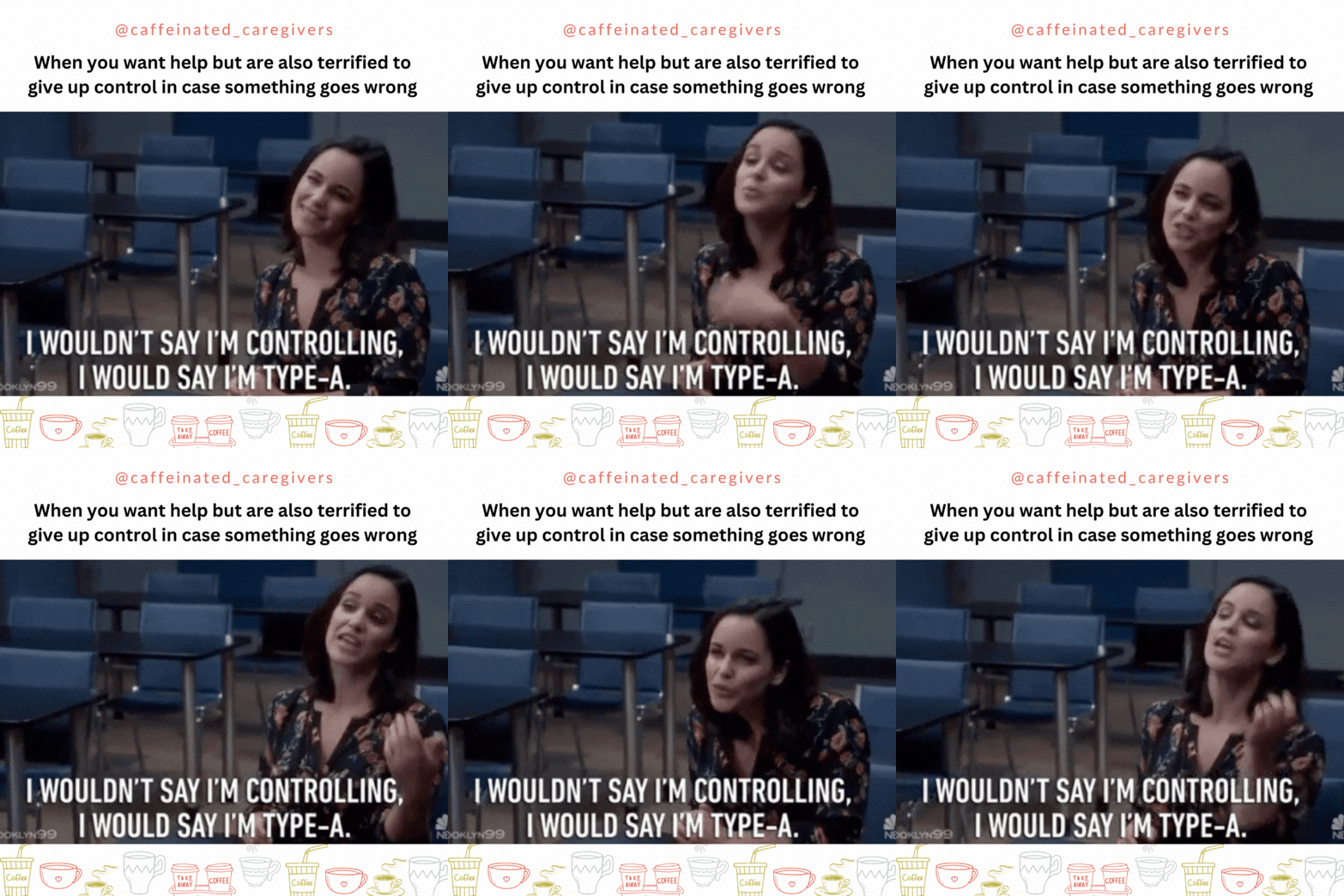
I want to be clear before I go any further: there are likely some parents of medically complex kids reading right now whose partners have proven themselves to be untrustworthy when it comes to caring for their child. And to you I say, I see you.
And I don’t blame you for questioning or checking up on your partner to ensure the safety of your child.
But that wasn’t my situation. On the contrary, he was and is an excellent and attentive father. But when I brought my daughter home after nearly eight weeks in the NICU, the idea of entrusting the tiny baby who spent nine months in my body where I held her, sang to her, and advocated for her, was excruciating. Even if the person asking to care for her was her own father.
Instead, I would spend hours each day by myself trying to feed her. She never did eat well by mouth, but she wasn’t tube-fed, and so we would coax her, keep her awake, and spend most of the day trying to get enough food in her little body. It was an exhausting and frustrating process that ate at every last one of my nerves.

By necessity, I would have to pass off the task to my husband at times. Despite knowing how much difficulty my daughter had at eating, if my husband struggled to get my daughter to finish a whole bottle, I would still be irritated and frustrated with him.
I couldn’t help but feel that if he tried just a little harder or cared a little more, she would eat more. He would tell me that we had done all we could and that trying to wake her to eat was only exhausting us all the more.
I would stomp away, fuming and frustrated that he just couldn’t care for her quite like I did. It was years later before I realized that my husband’s willingness to follow my daughter’s lead offered her the reprieve that she needed in those moments, and that, in fact, my methodology was only making a difficult and high-pressure situation worse.
It wasn’t that I didn’t see my husband as part of my team and capable of caring for our daughter. But we had already been through so much. So many moments of being questioned by medical professionals. So many instances where we trusted the judgment of someone else to the detriment of our daughter. So many close calls with illnesses that we wished were preventable.
I couldn’t even hand off her care to someone that I knew loved her and understood her.
The eating struggle was only a small example of my lack of trust. I struggled to be away from my daughter at all for a long time. If I was away from home running errands, I would worry and check-in constantly. And this continued for years. It wore me down and wore me out.
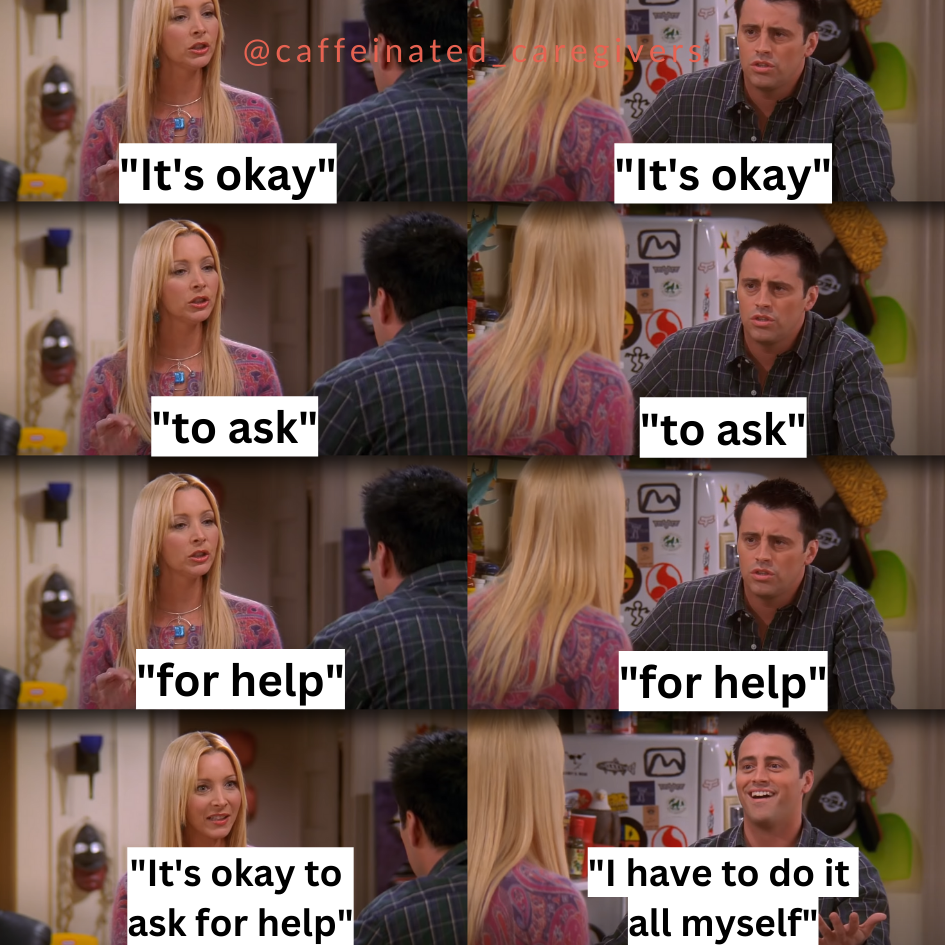
And then one day… I woke up and realized that I finally considered my husband as an equal partner in my daughter’s care. It didn’t happen after one event. It was conversation after conversation. It was him showing up over and over again, feeding after feeding, one diaper change after another.
The change was slow and gradual–impossible to see except in hindsight.
I needed to relearn how to trust him the same way he earned my trust at the beginning of our relationship: by being dependable every day. By being flexible and open to feedback when he made mistakes. And by reaching out his hand over and over even when I was defensive and protective.
The lack of trust I had felt before drove a rift into our relationship, pulling us apart and alienating us from each other.
But the rebuilding of trust slowly glued us back together.
It didn’t fix every problem. It didn’t make the resentment disappear overnight. But it allowed us to embrace each other as partners in the most basic sense: two people working in tandem toward a common goal.
If you had told me a decade ago that becoming a caregiver would shake my trust in the person I’m closest to in the world, I would have laughed at you. It felt impossible until I lived through it. But now I know that things lost can sometimes be found again, trust included.
Until next time, caregivers <3
